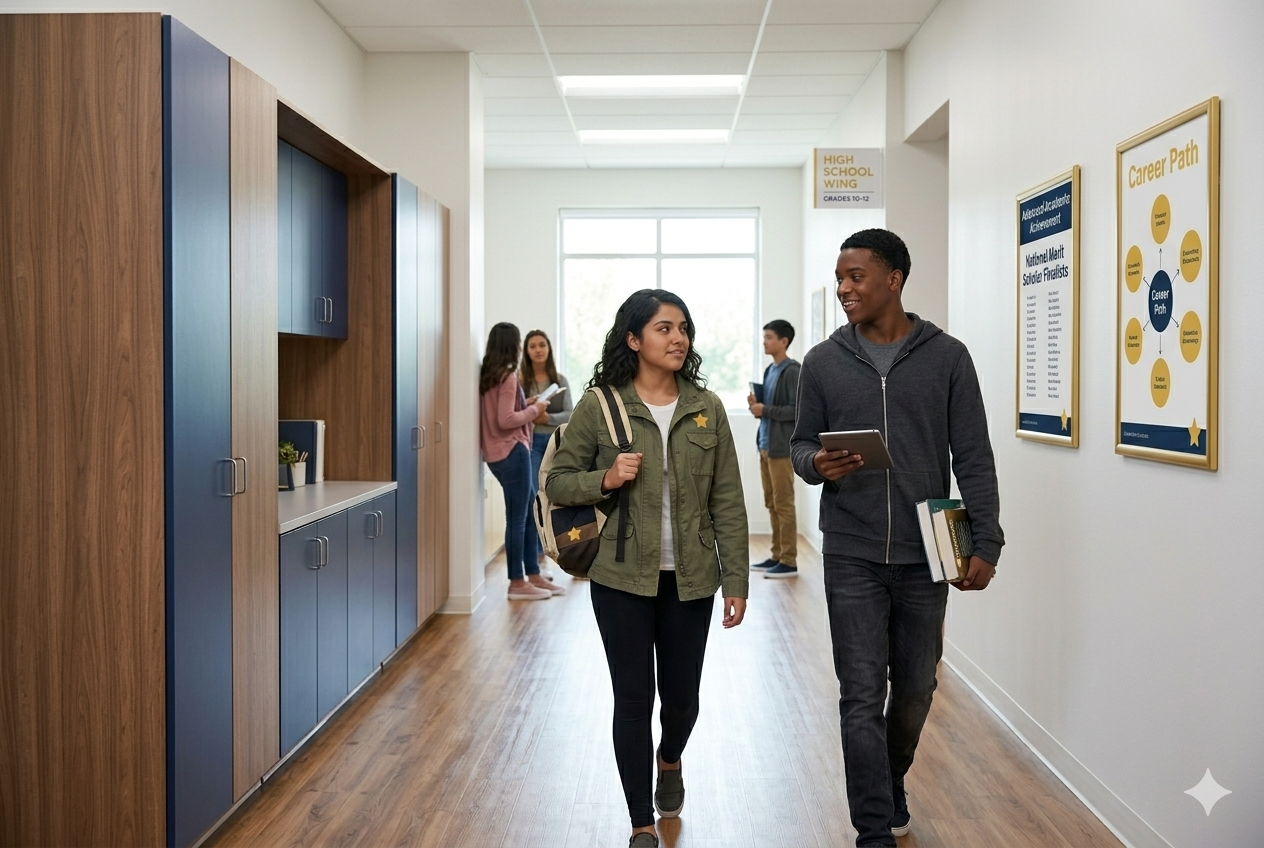
A slower,
closer way
to study.
College is a small liberal arts and sciences institution where classes stay seminar-sized, professors know your name by October, and the library rarely closes before midnight. We admit fewer than four hundred students a year, on purpose.
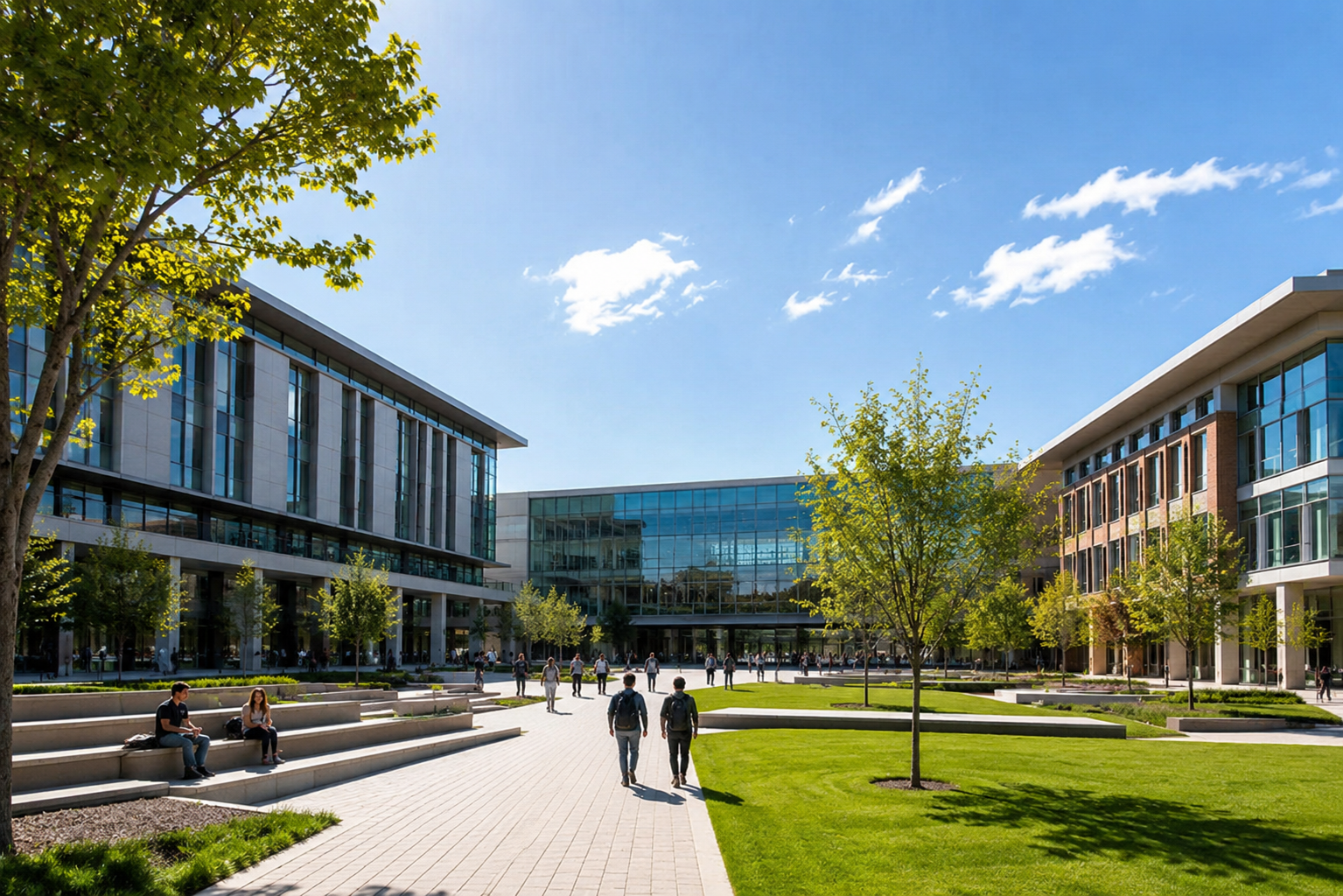 Founders Hall, west facade
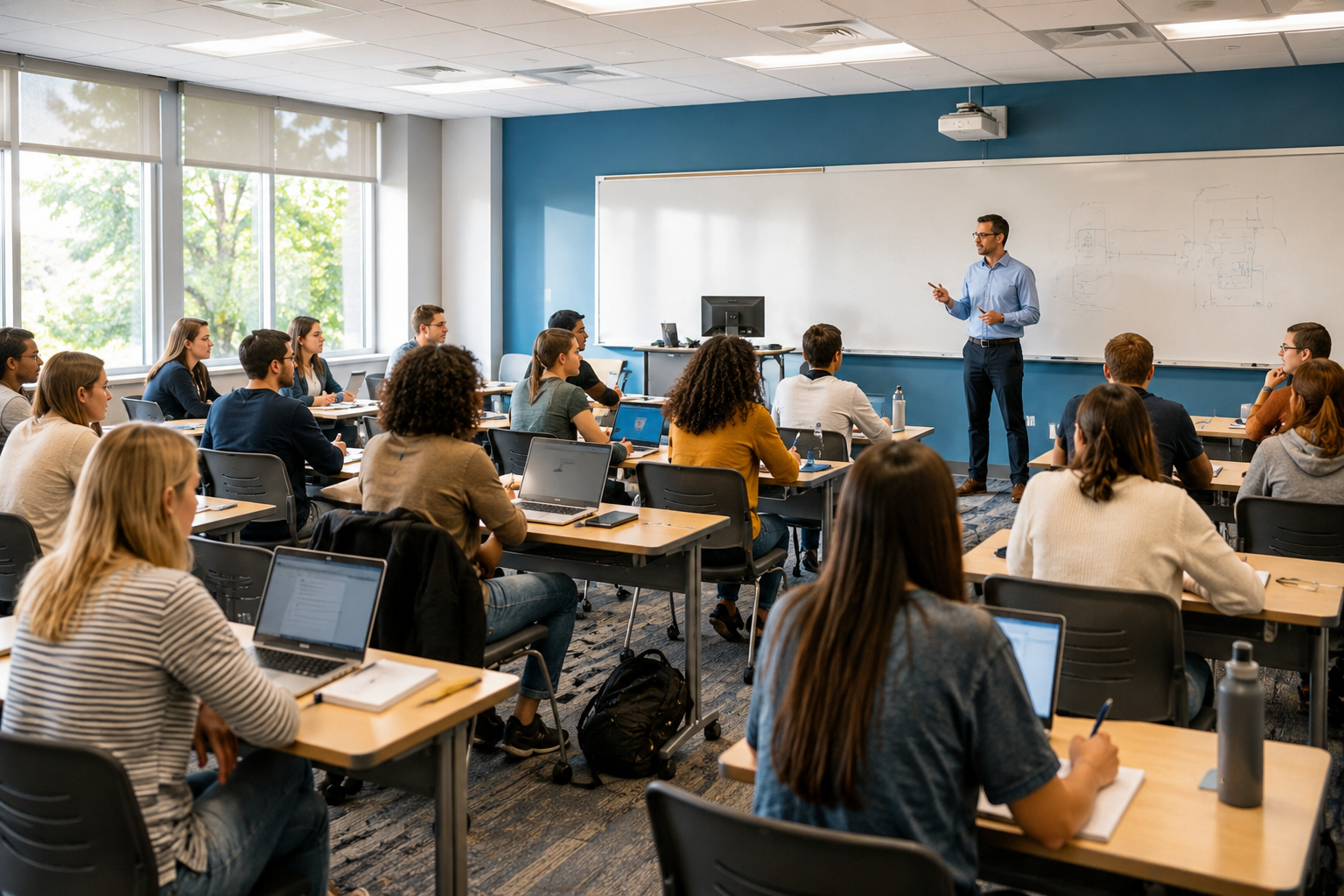
We built the place
around the conversation,
not the lecture.
Most seminars hold twelve students. Most professors teach the same course they wrote a dissertation on. The result is an education that feels less like attendance and more like apprenticeship — in a lab, a studio, an archive, a rehearsal room.
Five departments.
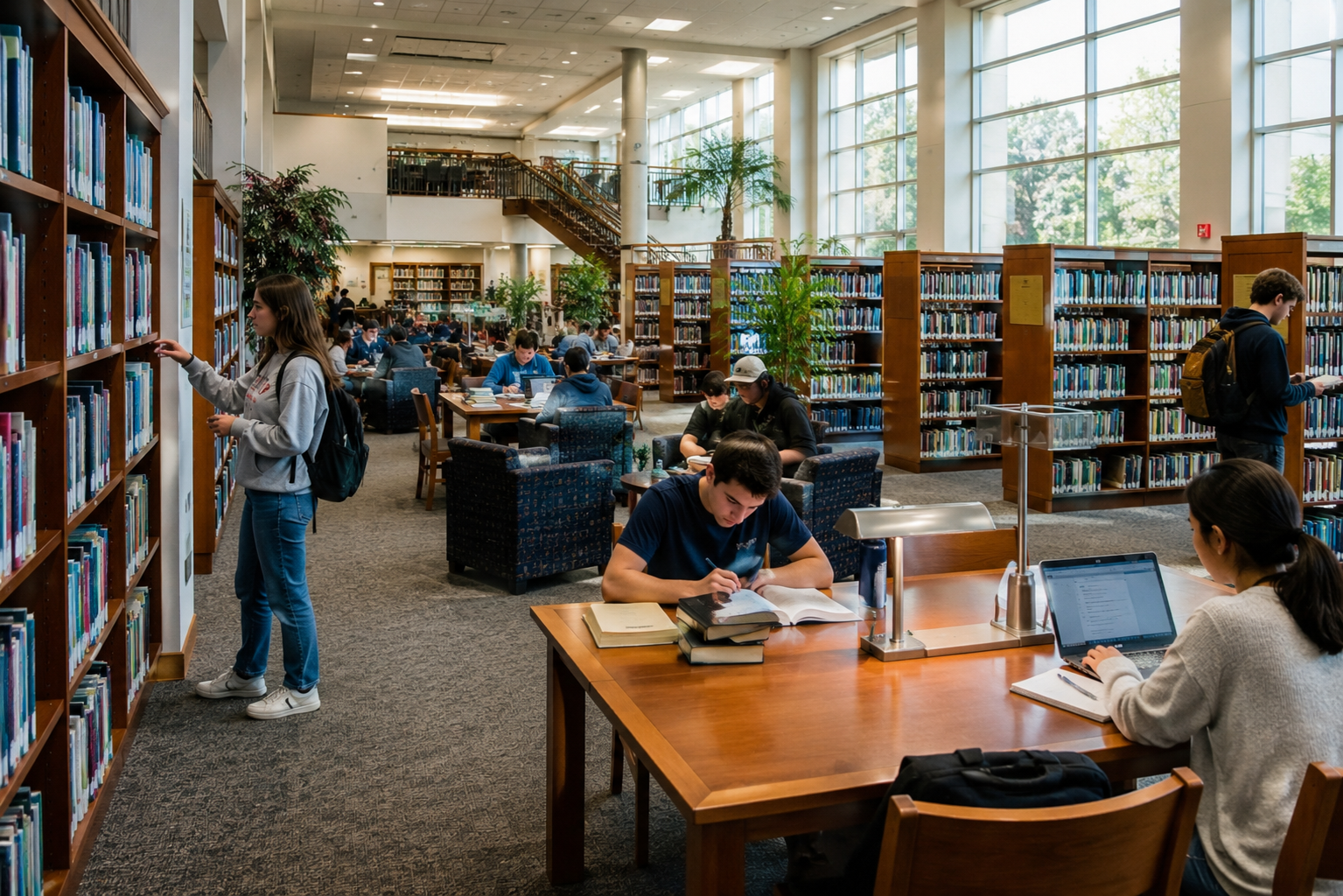
One reading room.
Every department shares the same library, the same dining hall, and — most terms — several of the same students. Majors are declared in year two, after room to wander in year one.
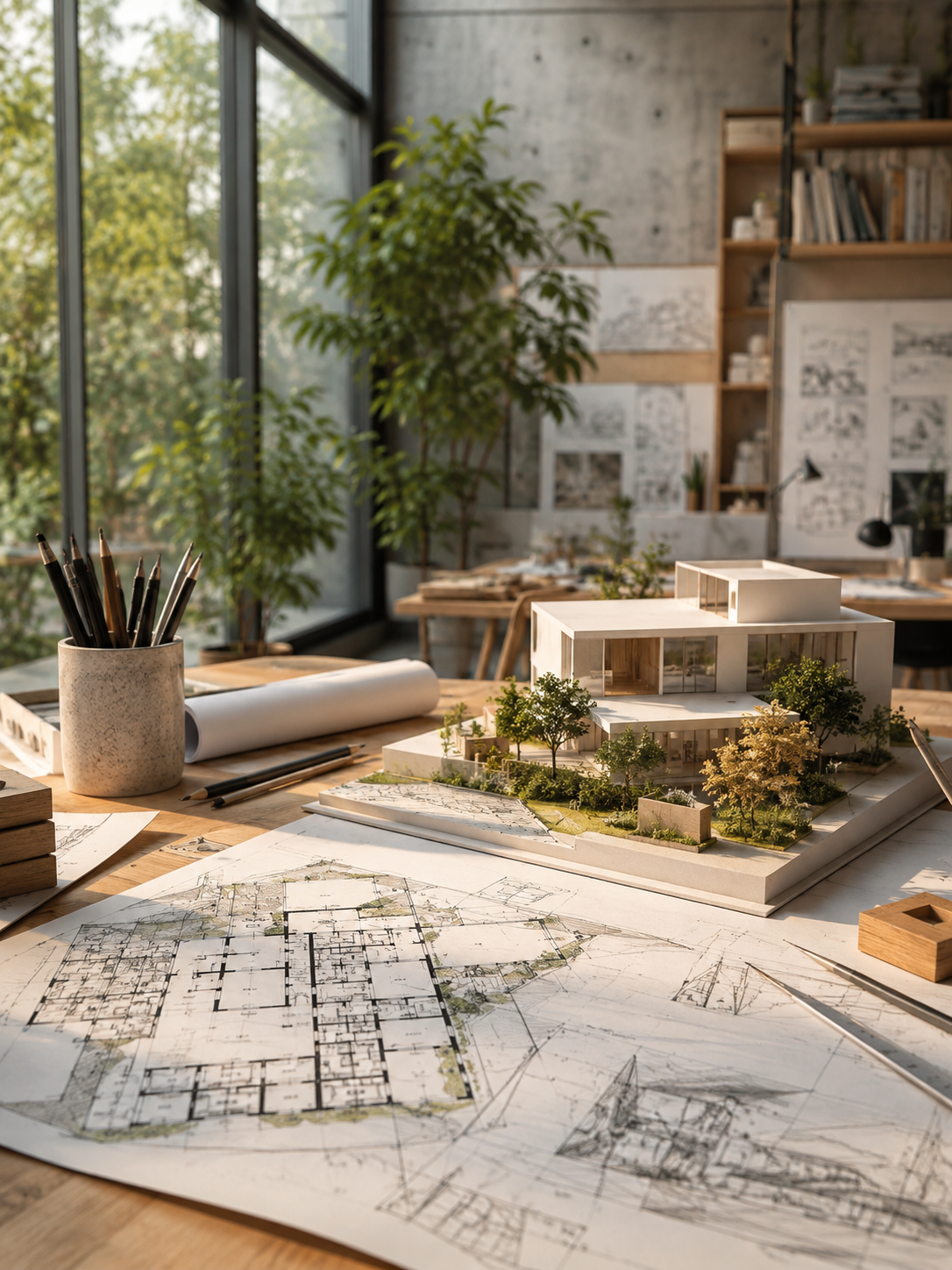
Architecture & Environmental Design
Design studios paired with structural theory, building science, and a year in the field.
Natural Sciences
Bench research from first year onward, across biology, chemistry, and environmental science.

Literature & Humanities
Close reading, translation, and archival work anchored in a seminar-only format.

A day, in six rooms.
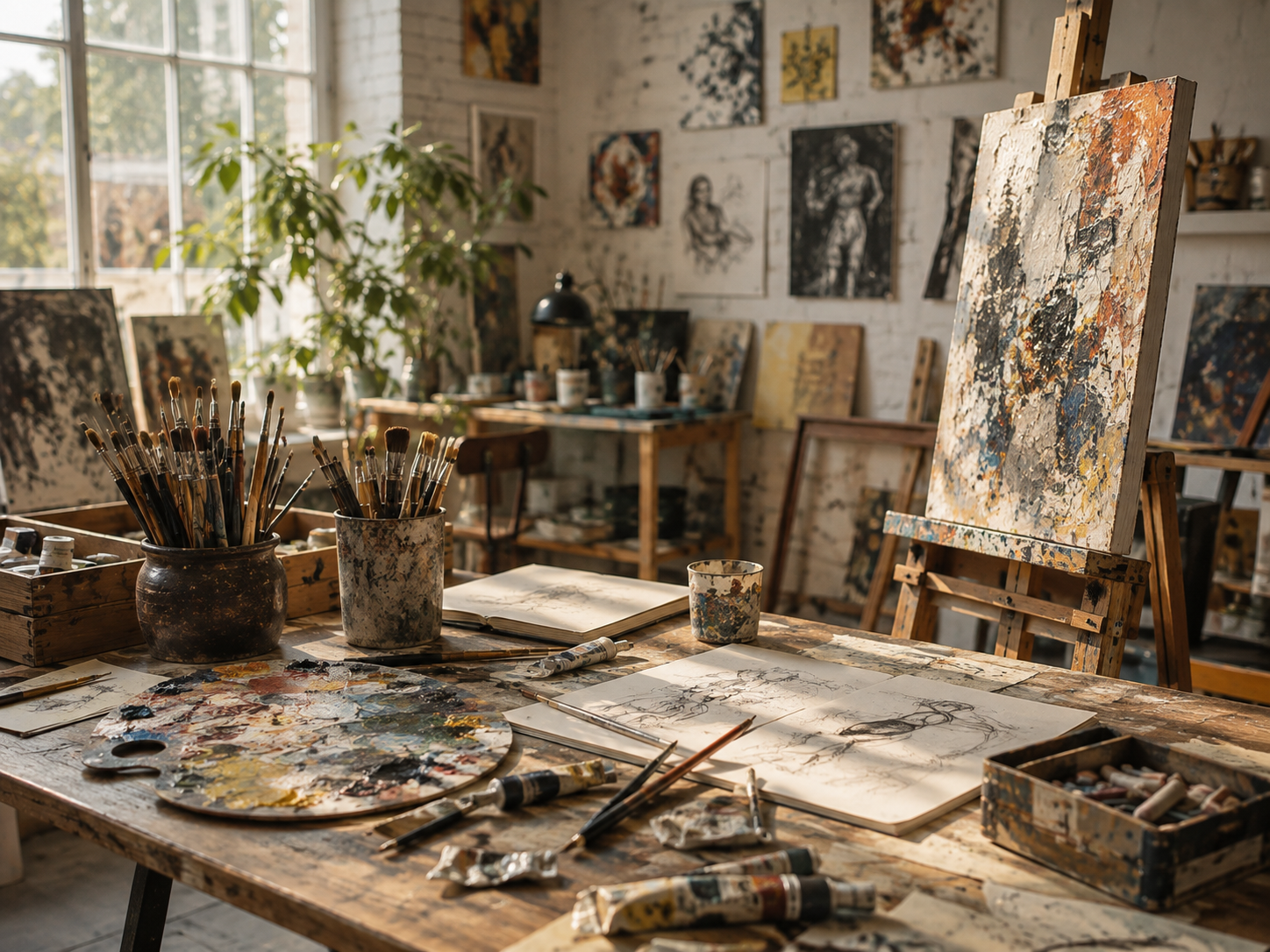
From the stacks to the studio, most of what matters at College happens within a six-minute walk.

My advisor still remembers the argument I made in a first-year seminar, and brings it up when it's useful — sometimes against me.— Fourth-year, Literature & Humanities
Apply once.
Read carefully.
We read every application in full — no algorithmic first pass. Decisions come from a committee of five, discussing each file for as long as it needs.
- Early Decision 1 November
- Regular Decision 10 January
- Financial Aid Priority 15 January